

HEALTHY LIVING VILLAGE
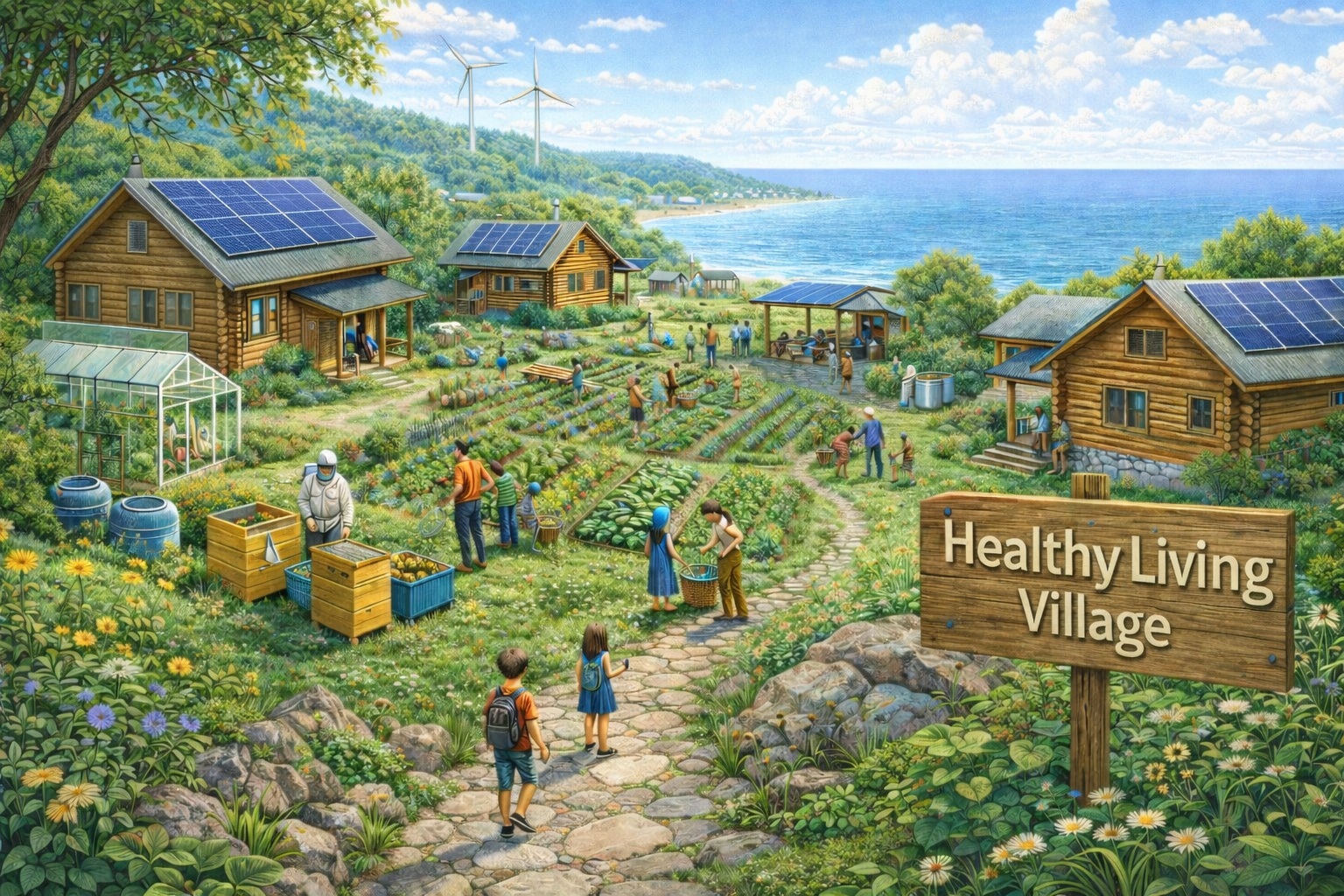
Healthy Living Village
Self-sufficient community model powered by sustainable energy and local production
Project Governance and Roles
- Project owner and implementation lead: Healthy Life Foundation.
- IYF role: supports the initiative through its volunteer-based international network and contributes to wellbeing-related content, engagement, and visibility.
- Financial note: IYF does not manage, receive, or administer funds for the Healthy Living Village project.
This clarification is provided for transparency and public information and supports clear role separation across partner institutions.
Overview
Healthy Living Village is a pilot initiative designed as a self-sufficient village model that integrates wellbeing, ecological living, and community resilience through practical systems connecting housing, food, energy, water, and social life.
The village includes log houses and one main building, supported by on-site water supply, water treatment, renewable energy (wind and solar), vertical farming for local food production, and beekeeping to support biodiversity and sustainable livelihoods.
Initiative milestone note: the first land donation for the village was completed in 2024. Construction started and accelerated in 2025, with completion planned for 2026.
Built for self-sufficiency
Energy, water, food, and daily living systems are designed to work together.
Sustainable energy
Wind and solar power reduce external dependency and environmental impact.
Scalable pilot
The model is planned to be replicated in multiple locations after the pilot.
Project Snapshot
- Project owner: Healthy Living Foundation
- IYF role: volunteer-based network support and wellbeing engagement
- Financial note: IYF does not manage project funds
- Housing: log houses plus one main building
- Water: on-site water extraction and water treatment
- Energy: wind + solar renewable systems
- Food: vertical farming and local production
- Biodiversity: beekeeping and ecological stewardship
- Status: construction started; completion planned for 2026
- Scale: pilot model planned for replication in multiple regions
This page is prepared for public information and initiative communication within the IYF website.
Field Progress Highlights

Site context and natural landscape
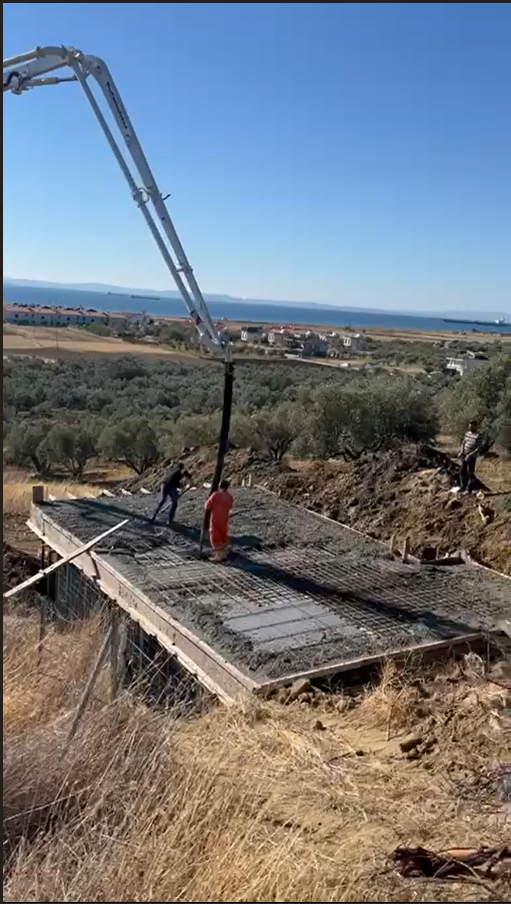
Construction phase and infrastructure steps
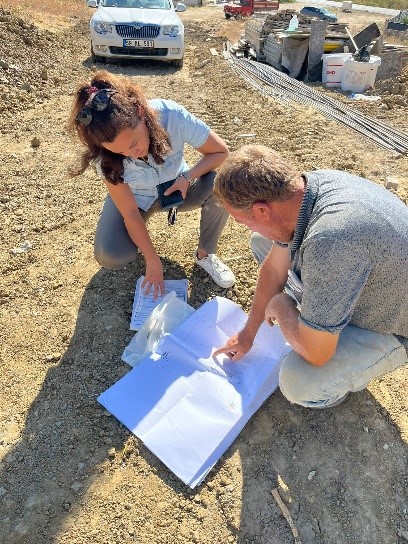
Preparation for wind and solar energy systems
Purpose
- Support physical, mental, and social wellbeing through nature-integrated living.
- Strengthen community resilience through self-sufficient and sustainable systems.
- Demonstrate an adaptable model that can be replicated in different locations.
Guiding Principles
- Harmony with nature and responsible resource use.
- Practical sustainability: energy, water, food, and waste systems designed as one ecosystem.
- Community life supported through shared spaces, learning, and cooperation.
Integrated Systems
Renewable energy from wind and solar
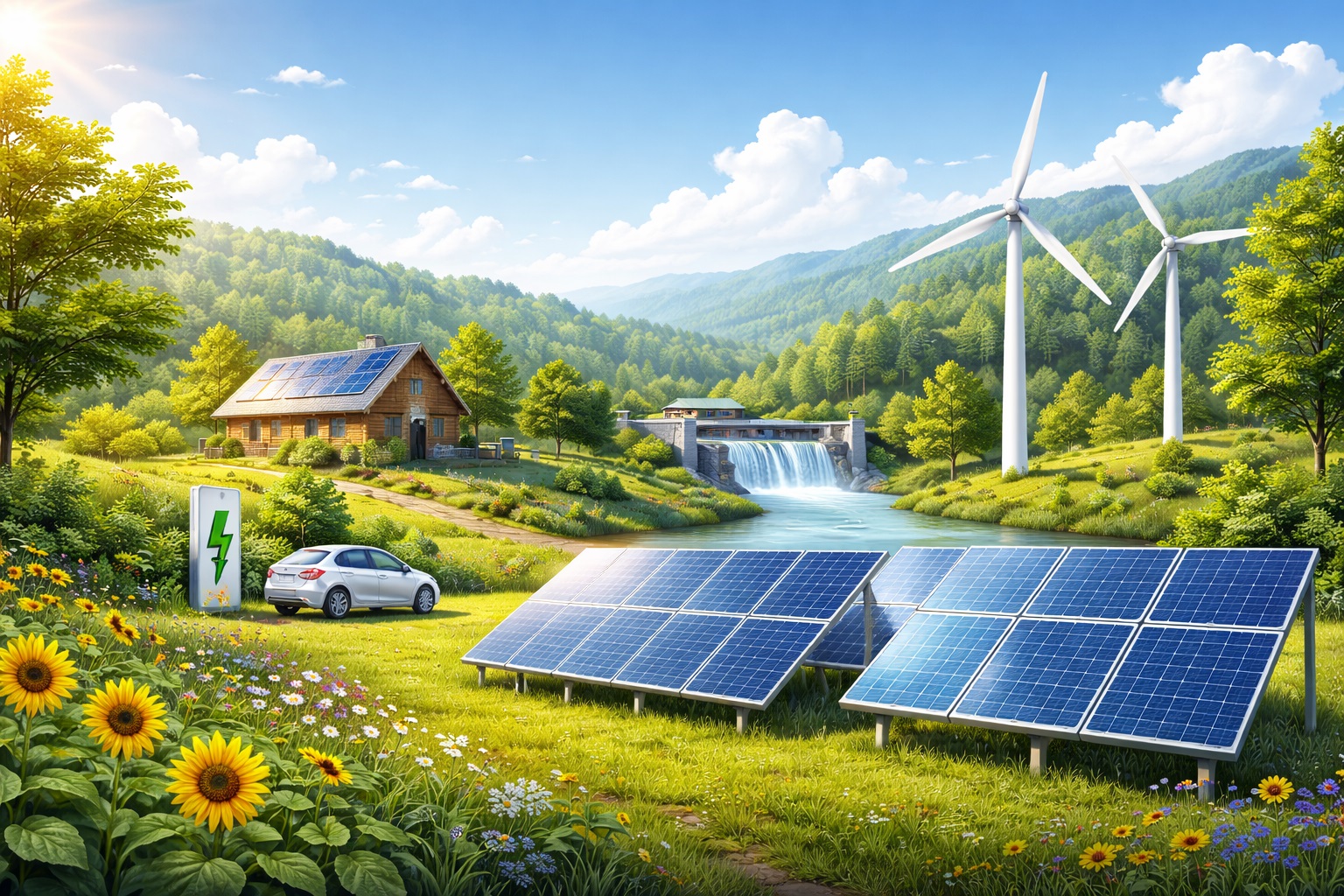
Renewable energy from wind and solar
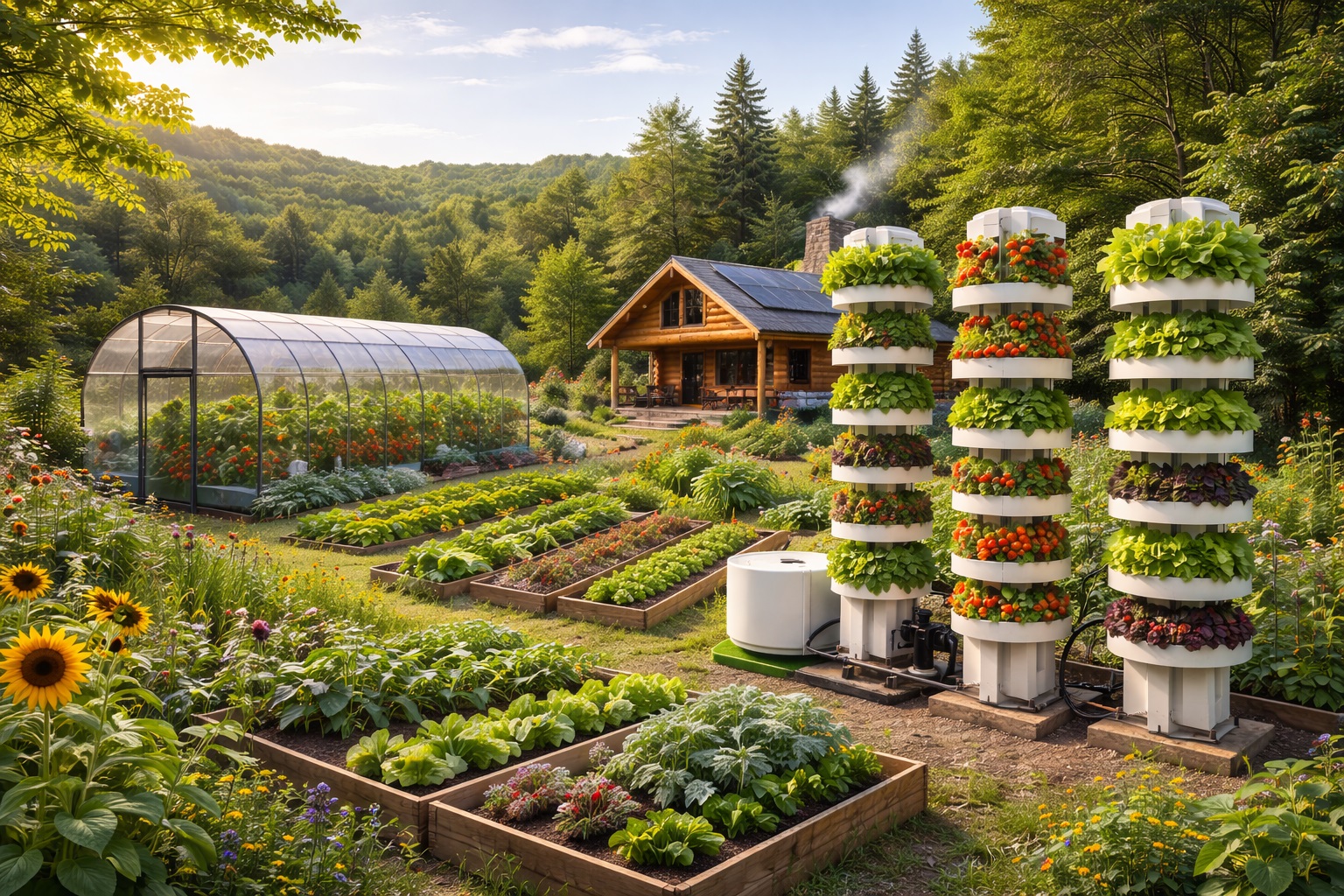
Vertical farming for local, reliable food production
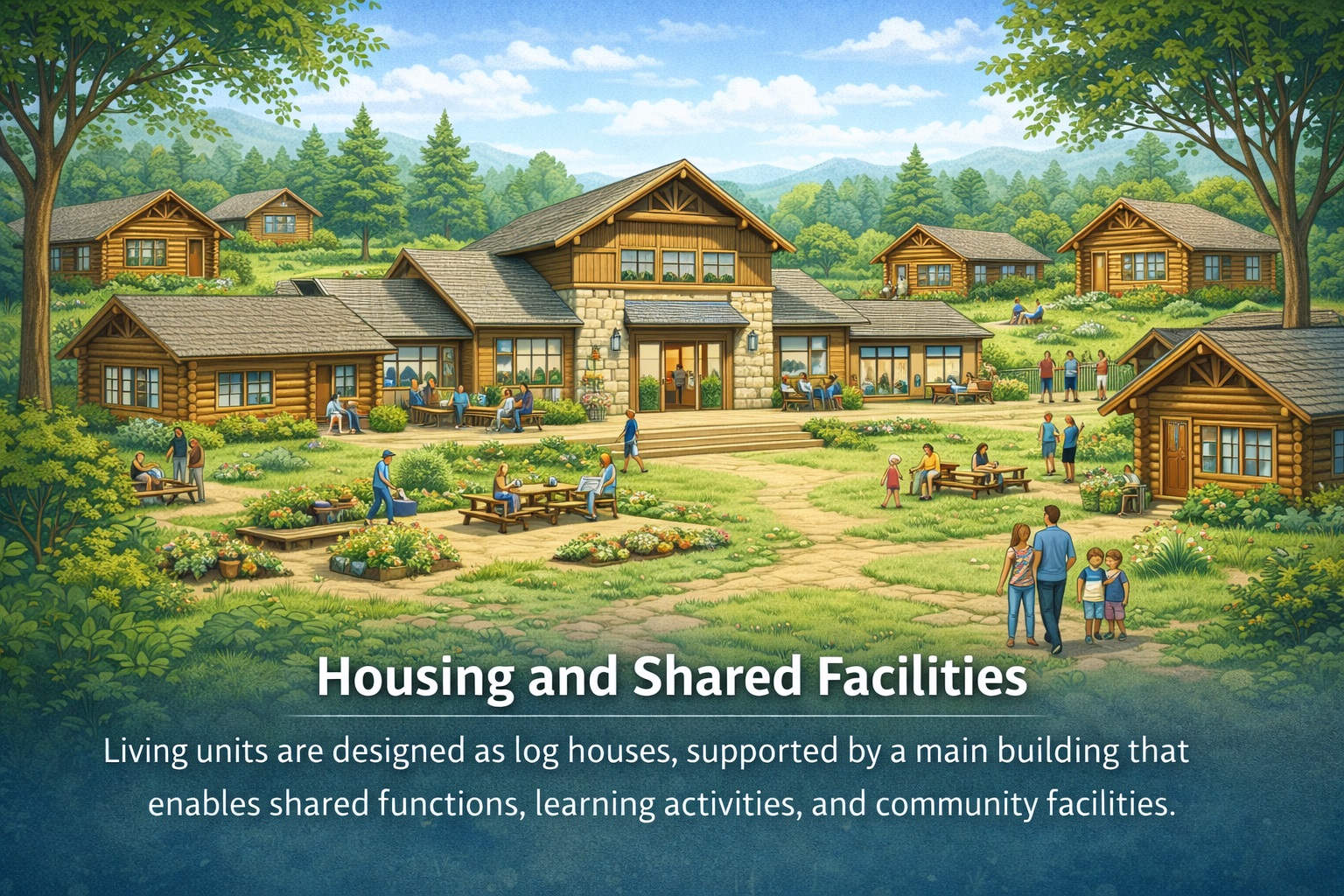
Housing and Shared Facilities
Living units are designed as log houses, supported by a main building that enables shared functions, learning activities, and community facilities.
Energy Independence
Wind and solar systems supply renewable electricity to reduce external dependency and lower environmental impact.
Food Self-Reliance
Vertical farming supports year-round production and strengthens food security within the village model.
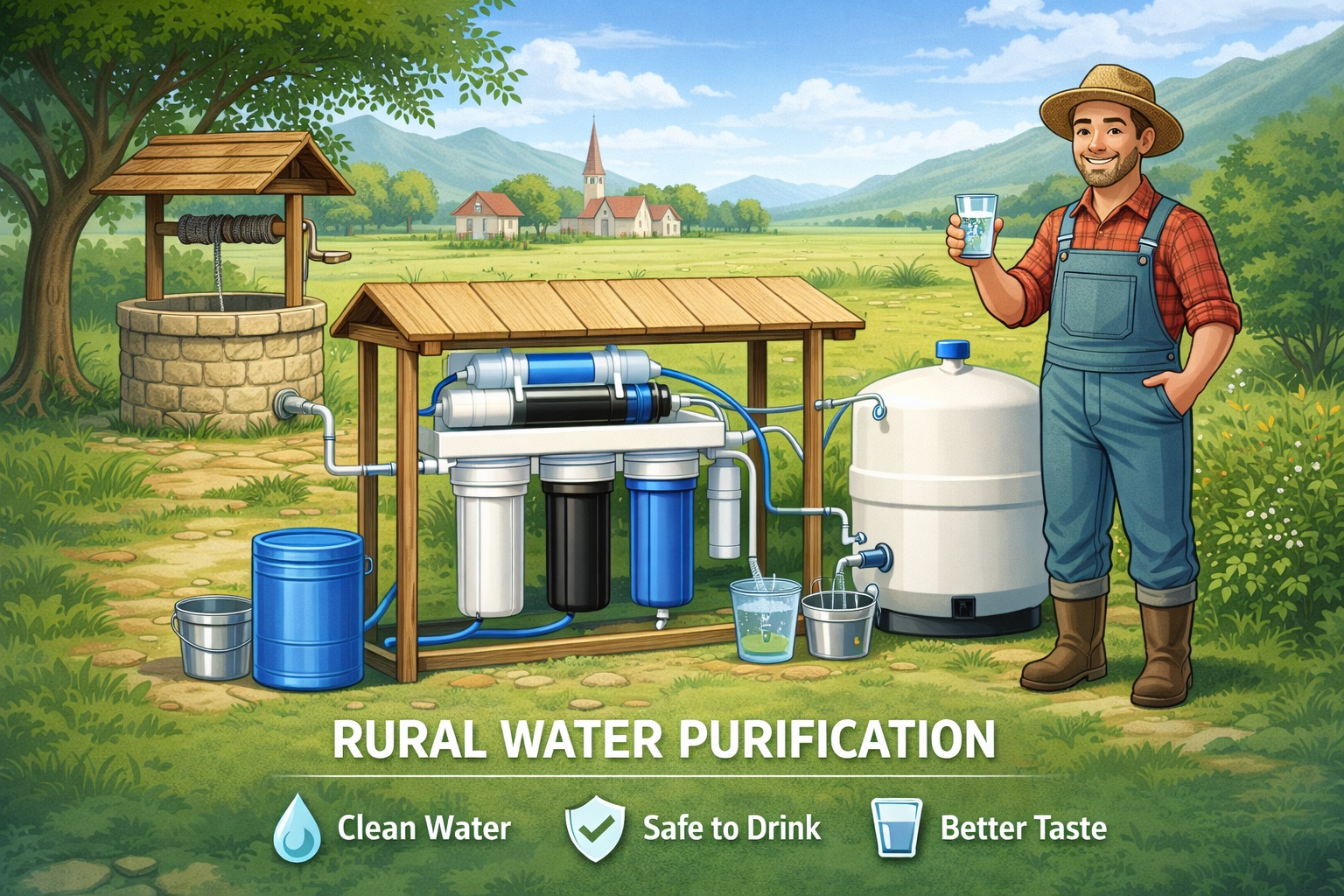
On-site water supply and water treatment
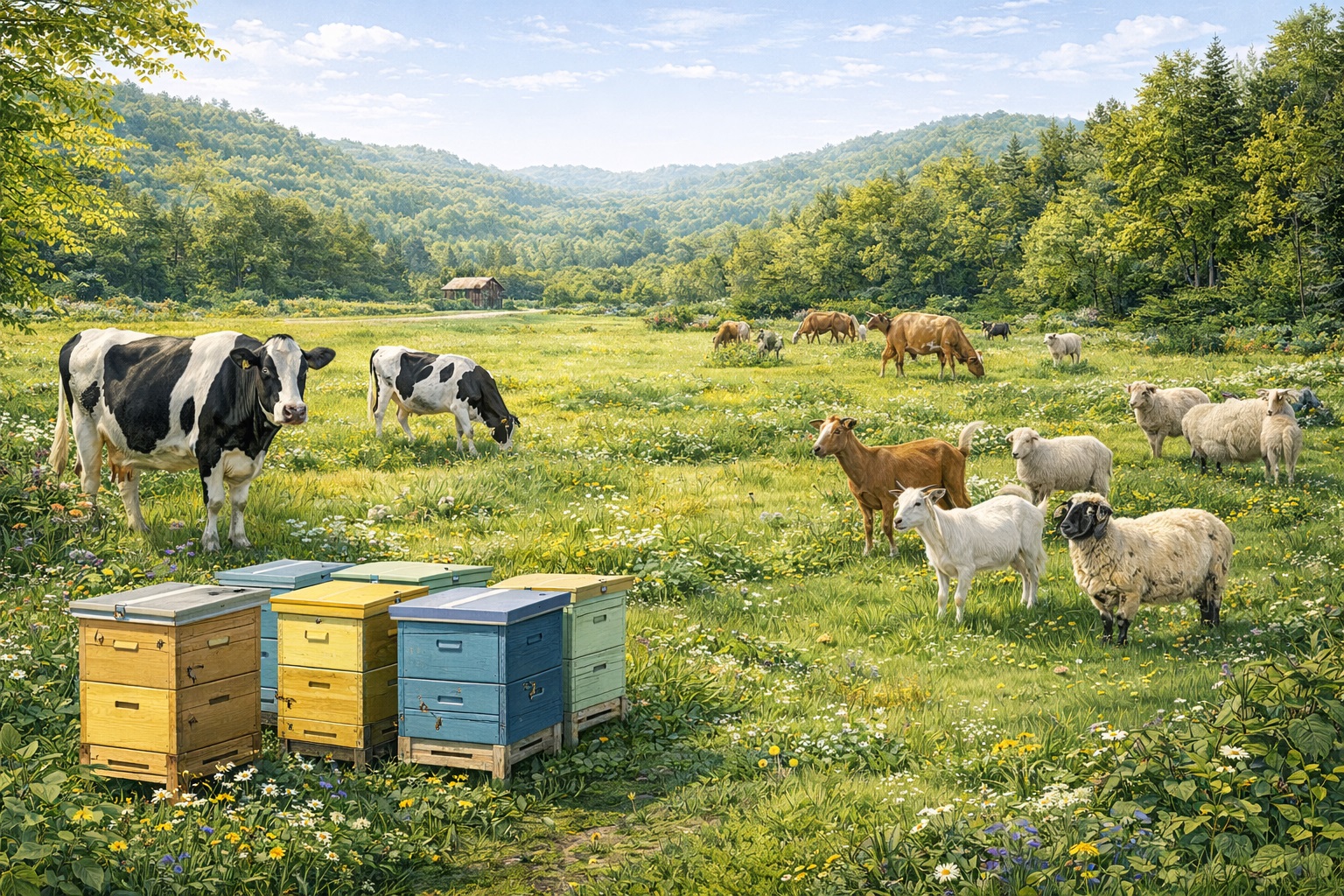
Beekeeping to support biodiversity and sustainable livelihoods

Circular resource use and responsible environmental stewardship
Self-Sufficient Village Model
Healthy Living Village is designed as a self-sufficient model where water, energy, and food systems reinforce one another. This integrated approach strengthens resilience and reduces external dependency.
- On-site water extraction supported by water treatment processes
- Renewable electricity from wind and solar systems
- Vertical farming and local production for food self-reliance
- Beekeeping supporting biodiversity and ecosystem balance
Replication and Scale
This village is a pilot project. After completion and evaluation, the model is planned to be replicated in multiple locations, supporting broader community resilience and sustainable living practices.
- Pilot implementation with measurable lessons learned
- Guidelines and toolkits for replication in new sites
- Future partnerships to support expansion and local ownership
Milestones
2024
Initial land donation completed for the village area.
2025
Construction started and accelerated; infrastructure planning expanded.
2026
Planned completion of the pilot village and initial operational readiness.
Next
Replication planning and expansion steps for multiple locations.
HEALTHY LIVING VILLAGE
Healthy Living Village
Self-sufficient community model powered by sustainable energy and local production
Project Governance and Roles
- Project owner and implementation lead: Healthy Life Foundation.
- IYF role: supports the initiative through its volunteer-based international network and contributes to wellbeing-related content, engagement, and visibility.
- Financial note: IYF does not manage, receive, or administer funds for the Healthy Living Village project.
This clarification is provided for transparency and public information and supports clear role separation across partner institutions.
Overview
Healthy Living Village is a pilot initiative designed as a self-sufficient village model that integrates wellbeing, ecological living, and community resilience through practical systems connecting housing, food, energy, water, and social life.
The village includes log houses and one main building, supported by on-site water supply, water treatment, renewable energy (wind and solar), vertical farming for local food production, and beekeeping to support biodiversity and sustainable livelihoods.
Initiative milestone note: the first land donation for the village was completed in 2024. Construction started and accelerated in 2025, with completion planned for 2026.
Built for self-sufficiency
Energy, water, food, and daily living systems are designed to work together.
Sustainable energy
Wind and solar power reduce external dependency and environmental impact.
Scalable pilot
The model is planned to be replicated in multiple locations after the pilot.
Project Snapshot
- Project owner: Healthy Living Foundation
- IYF role: volunteer-based network support and wellbeing engagement
- Financial note: IYF does not manage project funds
- Housing: log houses plus one main building
- Water: on-site water extraction and water treatment
- Energy: wind + solar renewable systems
- Food: vertical farming and local production
- Biodiversity: beekeeping and ecological stewardship
- Status: construction started; completion planned for 2026
- Scale: pilot model planned for replication in multiple regions
This page is prepared for public information and initiative communication within the IYF website.
Field Progress Highlights
Site context and natural landscape
Construction phase and infrastructure steps
Preparation for wind and solar energy systems
Purpose
- Support physical, mental, and social wellbeing through nature-integrated living.
- Strengthen community resilience through self-sufficient and sustainable systems.
- Demonstrate an adaptable model that can be replicated in different locations.
Guiding Principles
- Harmony with nature and responsible resource use.
- Practical sustainability: energy, water, food, and waste systems designed as one ecosystem.
- Community life supported through shared spaces, learning, and cooperation.
Integrated Systems
Renewable energy from wind and solar
Renewable energy from wind and solar
Vertical farming for local, reliable food production
Housing and Shared Facilities
Living units are designed as log houses, supported by a main building that enables shared functions, learning activities, and community facilities.
Energy Independence
Wind and solar systems supply renewable electricity to reduce external dependency and lower environmental impact.
Food Self-Reliance
Vertical farming supports year-round production and strengthens food security within the village model.
On-site water supply and water treatment
Beekeeping to support biodiversity and sustainable livelihoods
Circular resource use and responsible environmental stewardship
Self-Sufficient Village Model
Healthy Living Village is designed as a self-sufficient model where water, energy, and food systems reinforce one another. This integrated approach strengthens resilience and reduces external dependency.
- On-site water extraction supported by water treatment processes
- Renewable electricity from wind and solar systems
- Vertical farming and local production for food self-reliance
- Beekeeping supporting biodiversity and ecosystem balance
Replication and Scale
This village is a pilot project. After completion and evaluation, the model is planned to be replicated in multiple locations, supporting broader community resilience and sustainable living practices.
- Pilot implementation with measurable lessons learned
- Guidelines and toolkits for replication in new sites
- Future partnerships to support expansion and local ownership
Milestones
2024
Initial land donation completed for the village area.
2025
Construction started and accelerated; infrastructure planning expanded.
2026
Planned completion of the pilot village and initial operational readiness.
Next
Replication planning and expansion steps for multiple locations.
International Yoga Federation
info@internationalyogafederation.com.tr
Address: 5438 Smiley Dr. Los Angeles, CA90016 / USA
Address: Harmanyolu Ust Sok. Sisli, Istanbul / Turkiye
info@internationalyogafederation.com.tr
Address: 5438 Smiley Dr. Los Angeles, CA90016 / USA
Address: Harmanyolu Ust Sok. Sisli, Istanbul / Turkiye
All rights reserved by International Yoga Federation!
It might be unlawful to copy, distribute, disclose or otherwise use information contained in this web site is forbidden except otherwise written permission is obtained. Contact via email or phone to request more information.
Mobile friendly software: www.eticaret.com.tr