
INTERNATIONAL PEACE PROJECT
Promoting a Culture of Peace through Education, Dialogue, and Global Engagement
Introduction
The International Peace Project (IPP) is a global initiative led by the International Yoga Federation (IYF), the International Change Federation (ULUDEF), and the International Peace Association (IPA). The project is dedicated to fostering a culture of peace and non-violence through interactive dialogues, education, and intercultural partnerships.
Nobel Peace Prize nominee Akif Manaf’s book Psychology of Peace is an important educational tool, yet the IPP is not book-centered. The project is built upon university lectures, TEDx programs, community discussions, book fairs, and Peace Ambassador networks that bring people together to reflect, share, and act for peace.
Publication note: commercial distribution is managed exclusively by the publisher. The IPP focuses on education and dialogue and does not conduct book sales.
Objectives
- Promote Peace Psychology as a foundation for lasting peace.
- Establish interactive peace dialogues in universities, bookstores, and cultural spaces.
- Empower Peace Ambassadors, especially women and youth, as leaders in their communities.
- Strengthen civil society partnerships through joint events with peace associations and cultural institutions.
- Advocate for the integration of Peace Education into curricula from primary education, including SDG 4.7.
- Build sustainable cross-border cooperation aligned with the United Nations SDGs.
Activities
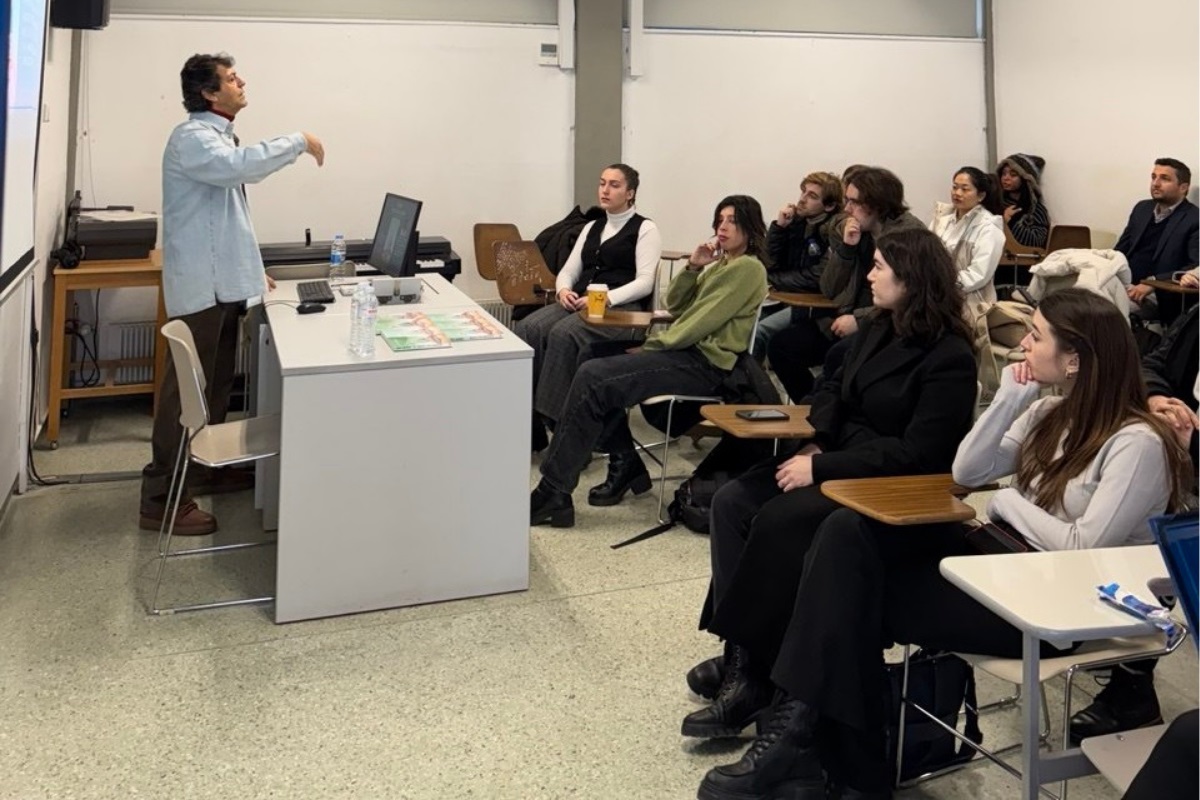
University lectures, seminars, and TEDx peace dialogues.
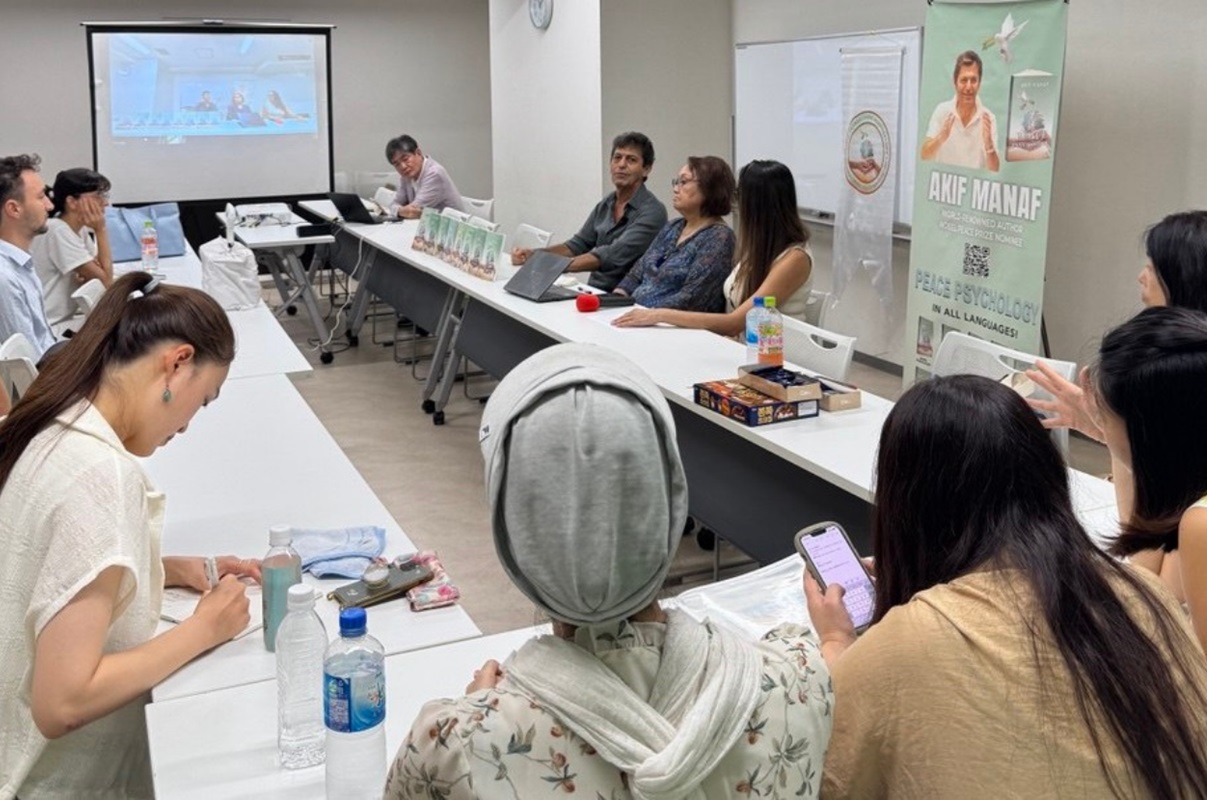
Interactive sessions in bookstores, cultural centers, and NGOs.

Book fairs and festivals used as intercultural dialogue platforms.
1) Peace Dialogues & Education
University lectures, seminars, TEDx sessions, and interactive community dialogues in cultural spaces and NGOs.
2) Peace Ambassadors in Action
A values-based network of volunteers convening dialogues and multiplying peace literacy across regions.
3) Book Fairs & Festivals
Cultural participation as a bridge for shared learning, reflection, and community engagement.
1. Peace Dialogues & Education
- University Lectures & Seminars: dialogues with students and academics (e.g., American College of Greece, TEDx Aydın University).
- Community Dialogues: interactive sessions in bookstores, cultural centers, and NGOs.
- Peace Seminars: Rotterdam, Madrid, Rome, Athens, Dubai, and other cities.
2. Peace Ambassadors in Action
- France: French Peace Association organized activities; French edition sponsored by Peace Ambassador Oytun Aygün.
- Germany: German Peace Association organized events; Peace Ambassador İdil Dizman led youth dialogues.
- Italy: Peace Ambassadors organized events in Milan, Florence, Rome, and Naples.
- Spain: Turkish Ambassadors participated in Madrid Book Fair.
- Netherlands: Breda Book Fair (Sept 2025) with Turkish Peace Ambassadors.
- UAE: Sharjah & Dubai events with Turkish Ambassadors.
- Japan: peace dialogues at book fairs with Ambassadors Haruna, James, and others.
3. Book Fairs & Festivals as Dialogue Platforms
Sharjah International Book Fair (UAE, 2024)
Arabic edition
Paris Book Festival (France, 2025)
French edition
Netherlands Book Fair (2025)
Dutch edition
Madrid Book Fair (2025)
Spanish edition
Patna Book Festival (India, 2025)
Hindi edition
Peace Psychology as a Peace Manifesto

Educational reference used to support dialogue and peace literacy.
The book Psychology of Peace is widely recognized within the framework of the International Peace Project as a peace manifesto that supports reflection, dialogue, and education on non-violence and inner transformation.
Rather than serving as a commercial product, the book functions as an educational and intellectual reference that inspires peace dialogues, university discussions, community meetings, and intercultural exchange activities carried out within the scope of the project.
To date, Psychology of Peace has been translated and published in multiple languages, reflecting its global resonance and contribution to peace-oriented education across different cultures and regions.
Published Languages
Publication and commercial distribution are managed exclusively by publishers. The International Peace Project does not engage in book sales.
Consortium & Governance
- International Yoga Federation (IYF): global leadership, advocacy, and strategic direction.
- International Change Federation (ULUDEF): volunteer mobilization, grassroots networks, and international outreach.
- International Peace Association (IPA): program partner responsible for designing and delivering peace dialogues, TEDx events, and university sessions.
The three organizations work as a consortium to ensure balanced leadership, local ownership, and global reach.


Building a Global Peace Network
To ensure the long-term sustainability and institutional continuity of the International Peace Project, Peace Associations are being established in different countries on a voluntary basis. This initiative enables local communities worldwide to unite around peace-based projects, fostering intercultural dialogue, volunteerism, education, arts, and cultural exchange.
The ultimate goal is the establishment of Peace Associations in all countries and the formation of a shared International Peace Network connecting these organizations globally.
Established Peace Associations
- Türkiye
- France
- Germany
Associations in Formation
- Italy
- Norway
- Sweden
- Japan
- Montenegro
- Spain
- United States of America
- United Kingdom
- Azerbaijan
- Cyprus
Peace Ambassadors
- Peace Ambassadors are selected from IYF and ULUDEF members.
- They represent a values-based, accountable network grounded in ethical codes and vision.
- Ambassadors self-organize events, facilitate intercultural dialogue, and act as multipliers of peace in their communities.
- International connections with universities, peace associations, and cultural institutions strengthen the reach and impact of their work.
Sponsorship & Participation Model
The IPP is sustained through a hybrid sponsorship model designed for independence and sustainability.
- Ambassadors’ Contribution: Peace Ambassadors cover their own travel and participation costs.
- Community Sponsorship: individuals, associations, and civil society partners sponsor translations, publications, venues, and event organization.
- Shared Responsibility: this balance ensures independence, community ownership, and sustainability.
Expected Results
- Establishment of a global Peace Ambassadors Network across Europe, the Middle East, and Asia.
- Engagement of thousands of participants annually through peace dialogues and cultural events.
- Empowerment of women leaders as Peace Ambassadors in Europe and Asia.
- Integration of peace education modules into universities and schools.
- Broader dissemination of peace literacy across multiple languages and regions.

From local dialogues to global engagement: the evolving journey of the International Peace Project.
Timeline
2021
Launch of Psychology of Peace in Turkish.
2022
English edition published; dialogues begin in Türkiye & Europe.
2023
German Peace Association events initiated.
2024
TEDx Aydın University (Türkiye); Sharjah International Book Fair (UAE).
2025
French Peace Association (Paris); Netherlands Book Fair; Madrid Book Fair; Athens University dialogues; Patna Book Festival; Japan Peace Circles.
2026 (planned)
Global expansion of Peace Ambassadors Program; integration of peace education into curricula.
Alignment with the United Nations SDGs
| Goal | Target | IPP Contribution |
|---|---|---|
| SDG 16 | 16.1, 16.7 | Promotes peace dialogues and inclusive community decision-making. |
| SDG 4 | 4.7 | Advocates Peace Education in schools and universities. |
| SDG 5 | 5.5 | Empowers women as Peace Ambassadors and leaders. |
| SDG 10 | 10.2 | Fosters inclusion through intercultural and intergenerational dialogue. |
| SDG 17 | 17.16, 17.17 | Builds global partnerships between federations, associations, and institutions. |
Future Plans
- Expansion of the Peace Ambassadors Network across Europe, Africa, and Asia.
- Launch of Youth Peace Ambassadors Program (2026).
- Further cooperation with universities and TEDx platforms for peace-focused education.
- Development of Peace Dialogue Toolkits for civil society groups.
- Continued translations of Psychology of Peace into Russian, Japanese, and additional languages.
Project Snapshot
- Consortium: IYF + ULUDEF + IPA
- Core mechanism: Peace Ambassadors Network
- Delivery: universities, TEDx platforms, community dialogues, cultural participation
- Model: shared responsibility and community sponsorship
- Standard: international, sustainable, aligned with ECOSOC expectations
This page is prepared for transparency and public information purposes and can support ECOSOC-aligned reporting and communications.
INTERNATIONAL PEACE PROJECT
Promoting a Culture of Peace through Education, Dialogue, and Global Engagement
Introduction
The International Peace Project (IPP) is a global initiative led by the International Yoga Federation (IYF), the International Change Federation (ULUDEF), and the International Peace Association (IPA). The project is dedicated to fostering a culture of peace and non-violence through interactive dialogues, education, and intercultural partnerships.
Nobel Peace Prize nominee Akif Manaf’s book Psychology of Peace is an important educational tool, yet the IPP is not book-centered. The project is built upon university lectures, TEDx programs, community discussions, book fairs, and Peace Ambassador networks that bring people together to reflect, share, and act for peace.
Publication note: commercial distribution is managed exclusively by the publisher. The IPP focuses on education and dialogue and does not conduct book sales.
Objectives
- Promote Peace Psychology as a foundation for lasting peace.
- Establish interactive peace dialogues in universities, bookstores, and cultural spaces.
- Empower Peace Ambassadors, especially women and youth, as leaders in their communities.
- Strengthen civil society partnerships through joint events with peace associations and cultural institutions.
- Advocate for the integration of Peace Education into curricula from primary education, including SDG 4.7.
- Build sustainable cross-border cooperation aligned with the United Nations SDGs.
Activities
University lectures, seminars, and TEDx peace dialogues.
Interactive sessions in bookstores, cultural centers, and NGOs.
Book fairs and festivals used as intercultural dialogue platforms.
1) Peace Dialogues & Education
University lectures, seminars, TEDx sessions, and interactive community dialogues in cultural spaces and NGOs.
2) Peace Ambassadors in Action
A values-based network of volunteers convening dialogues and multiplying peace literacy across regions.
3) Book Fairs & Festivals
Cultural participation as a bridge for shared learning, reflection, and community engagement.
1. Peace Dialogues & Education
- University Lectures & Seminars: dialogues with students and academics (e.g., American College of Greece, TEDx Aydın University).
- Community Dialogues: interactive sessions in bookstores, cultural centers, and NGOs.
- Peace Seminars: Rotterdam, Madrid, Rome, Athens, Dubai, and other cities.
2. Peace Ambassadors in Action
- France: French Peace Association organized activities; French edition sponsored by Peace Ambassador Oytun Aygün.
- Germany: German Peace Association organized events; Peace Ambassador İdil Dizman led youth dialogues.
- Italy: Peace Ambassadors organized events in Milan, Florence, Rome, and Naples.
- Spain: Turkish Ambassadors participated in Madrid Book Fair.
- Netherlands: Breda Book Fair (Sept 2025) with Turkish Peace Ambassadors.
- UAE: Sharjah & Dubai events with Turkish Ambassadors.
- Japan: peace dialogues at book fairs with Ambassadors Haruna, James, and others.
3. Book Fairs & Festivals as Dialogue Platforms
Sharjah International Book Fair (UAE, 2024)
Arabic edition
Paris Book Festival (France, 2025)
French edition
Netherlands Book Fair (2025)
Dutch edition
Madrid Book Fair (2025)
Spanish edition
Patna Book Festival (India, 2025)
Hindi edition
Peace Psychology as a Peace Manifesto
Educational reference used to support dialogue and peace literacy.
The book Psychology of Peace is widely recognized within the framework of the International Peace Project as a peace manifesto that supports reflection, dialogue, and education on non-violence and inner transformation.
Rather than serving as a commercial product, the book functions as an educational and intellectual reference that inspires peace dialogues, university discussions, community meetings, and intercultural exchange activities carried out within the scope of the project.
To date, Psychology of Peace has been translated and published in multiple languages, reflecting its global resonance and contribution to peace-oriented education across different cultures and regions.
Published Languages
Publication and commercial distribution are managed exclusively by publishers. The International Peace Project does not engage in book sales.
Consortium & Governance
- International Yoga Federation (IYF): global leadership, advocacy, and strategic direction.
- International Change Federation (ULUDEF): volunteer mobilization, grassroots networks, and international outreach.
- International Peace Association (IPA): program partner responsible for designing and delivering peace dialogues, TEDx events, and university sessions.
The three organizations work as a consortium to ensure balanced leadership, local ownership, and global reach.
Building a Global Peace Network
To ensure the long-term sustainability and institutional continuity of the International Peace Project, Peace Associations are being established in different countries on a voluntary basis. This initiative enables local communities worldwide to unite around peace-based projects, fostering intercultural dialogue, volunteerism, education, arts, and cultural exchange.
The ultimate goal is the establishment of Peace Associations in all countries and the formation of a shared International Peace Network connecting these organizations globally.
Established Peace Associations
- Türkiye
- France
- Germany
Associations in Formation
- Italy
- Norway
- Sweden
- Japan
- Montenegro
- Spain
- United States of America
- United Kingdom
- Azerbaijan
- Cyprus
Peace Ambassadors
- Peace Ambassadors are selected from IYF and ULUDEF members.
- They represent a values-based, accountable network grounded in ethical codes and vision.
- Ambassadors self-organize events, facilitate intercultural dialogue, and act as multipliers of peace in their communities.
- International connections with universities, peace associations, and cultural institutions strengthen the reach and impact of their work.
Sponsorship & Participation Model
The IPP is sustained through a hybrid sponsorship model designed for independence and sustainability.
- Ambassadors’ Contribution: Peace Ambassadors cover their own travel and participation costs.
- Community Sponsorship: individuals, associations, and civil society partners sponsor translations, publications, venues, and event organization.
- Shared Responsibility: this balance ensures independence, community ownership, and sustainability.
Expected Results
- Establishment of a global Peace Ambassadors Network across Europe, the Middle East, and Asia.
- Engagement of thousands of participants annually through peace dialogues and cultural events.
- Empowerment of women leaders as Peace Ambassadors in Europe and Asia.
- Integration of peace education modules into universities and schools.
- Broader dissemination of peace literacy across multiple languages and regions.
From local dialogues to global engagement: the evolving journey of the International Peace Project.
Timeline
2021
Launch of Psychology of Peace in Turkish.
2022
English edition published; dialogues begin in Türkiye & Europe.
2023
German Peace Association events initiated.
2024
TEDx Aydın University (Türkiye); Sharjah International Book Fair (UAE).
2025
French Peace Association (Paris); Netherlands Book Fair; Madrid Book Fair; Athens University dialogues; Patna Book Festival; Japan Peace Circles.
2026 (planned)
Global expansion of Peace Ambassadors Program; integration of peace education into curricula.
Alignment with the United Nations SDGs
| Goal | Target | IPP Contribution |
|---|---|---|
| SDG 16 | 16.1, 16.7 | Promotes peace dialogues and inclusive community decision-making. |
| SDG 4 | 4.7 | Advocates Peace Education in schools and universities. |
| SDG 5 | 5.5 | Empowers women as Peace Ambassadors and leaders. |
| SDG 10 | 10.2 | Fosters inclusion through intercultural and intergenerational dialogue. |
| SDG 17 | 17.16, 17.17 | Builds global partnerships between federations, associations, and institutions. |
Future Plans
- Expansion of the Peace Ambassadors Network across Europe, Africa, and Asia.
- Launch of Youth Peace Ambassadors Program (2026).
- Further cooperation with universities and TEDx platforms for peace-focused education.
- Development of Peace Dialogue Toolkits for civil society groups.
- Continued translations of Psychology of Peace into Russian, Japanese, and additional languages.
Project Snapshot
- Consortium: IYF + ULUDEF + IPA
- Core mechanism: Peace Ambassadors Network
- Delivery: universities, TEDx platforms, community dialogues, cultural participation
- Model: shared responsibility and community sponsorship
- Standard: international, sustainable, aligned with ECOSOC expectations
This page is prepared for transparency and public information purposes and can support ECOSOC-aligned reporting and communications.
International Yoga Federation
info@internationalyogafederation.com.tr
Address: 5438 Smiley Dr. Los Angeles, CA90016 / USA
Address: Harmanyolu Ust Sok. Sisli, Istanbul / Turkiye
info@internationalyogafederation.com.tr
Address: 5438 Smiley Dr. Los Angeles, CA90016 / USA
Address: Harmanyolu Ust Sok. Sisli, Istanbul / Turkiye
All rights reserved by International Yoga Federation!
It might be unlawful to copy, distribute, disclose or otherwise use information contained in this web site is forbidden except otherwise written permission is obtained. Contact via email or phone to request more information.
Mobile friendly software: www.eticaret.com.tr